
This is probably one of the most important principles of Leave No Trace. It is the root cause of the vast majority of the calls the ranges get throughout the year. As the saying goes, an ounce of prevention is worth a pound of cure. This is the prevention.
I have written here about how I go about planning a trip. I highly recommend you look at that and the articles under it as it goes into detail and has a few examples. This is going to be more of a summary of what we mean by plan ahead and prepare and the why of it.
In the simplest terms, this principle is really about determining what you are going to do. You're going to come up with what trails you are going to hike, when you're going to leave, and when you expect to be back. In high hiking season, you'll want a backup plan or two in case you can't get parking at your desired trailhead. When you get your plan put together, you should give it to a responsible adult along with who to contact if you don't check in by a certain time. I personally tell my responsible adult to give me a few hours past my expected exit time before worrying. Ever since I started hiking with an InReach device, I track my hike and tell them to follow me, and if I'm still moving, don't worry about me.
Most people do that or something similar. What people tend not to do is prepare for the worst. This is where the 10 essentials come in. These are things you need in order to survive the unexpected. As I read the ranger reports for the NYS Rangers, a common issue that keeps coming up is the hike took longer than expected, and now its dark and they don't have a light source other than their phone. In 2025, there was at least one report where the phone had died and they had no light at all. If people were aware of and strictly followed a turnaround time, they would be out or mostly out by the time a light was needed. If they carried the 10 essentials, they would have a light source to assist them out too.
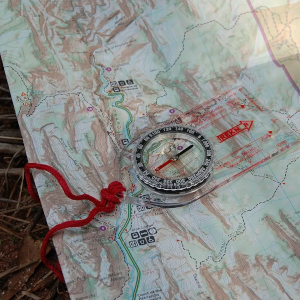
The other common non-injury related issue is a person or group got lost. There are a couple issues that tend to cause this. One is hiking with a group, and members get separated from the group. This is why you always hike at the pace of the slowest person, and no matter what, stop and regroup at every trail intersection to make sure everyone is there. The other issue is getting off the desired trail. This is surprisingly easy if you're not familiar with the trails in the area. A GPS device, or your phone with GPS and maps is the easiest way to find out this happened and backtrack to where you were last on the trail. The biggest issue with this though is that you likely will not have cell service, so make sure the maps are downloaded. It's possible if you're not a paid subscriber to the phone app, you may not be able to see all the trails in the area. This is why a physical paper map and compass is preferred along with they will always work. Take a class in basic usage such as triangulation, and practice in the field until you're comfortable with how to do it.
I highly recommend everyone take a map and compass class (I'll be posting basics up here eventually) and a first aid class (Wilderness First Aid if possible but a basic first aid class is fine) before you go hiking. If you're new to the sport and don't have the training, or aren't comfortable with your skills, find a local hiking group and go with them. This may be something you find through social media, but the skill level of the leaders, or more appropriately coordinators, can seriously be lacking. Going through an established hiking club like AMC in New England or ADK in New York, you will at least have vetted trip leaders.