To go into more, and more detailed, thoughts on solo hiking initially tackled in this blog post, lets take a look at responsible solo hiking, which is really an extension of responsible hiking in general.
By far, the most common reason why the rangers go in for a rescue is because someone is not prepared. This is principle 1 with Leave No Trace for a reason: "Plan ahead and prepare". Just doing this will prevent most back country issues that are not related to injury.
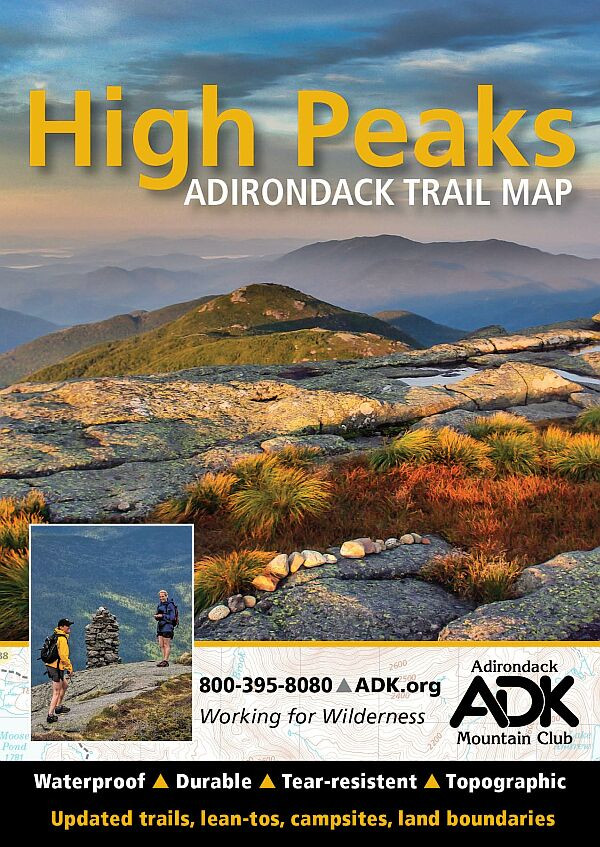
You need to look at a map and see what you are going to do. The map can be a digital one, they can be very helpful with calculating things like distance, elevation gain/loss, slope of the trail. There is nothing wrong with following someone else's track on AllTrails, Gaia, Stravia, etc., but you also need to look at it and really understand what you're getting yourself into. If there is a local guide book for the area, buy or borrow it and read the trail description from someone that will have a relatively neutral opinion on the trail. They likely have hiked all the trails in the area and can put it in perspective. Read the more recent reviews of the trail on whatever app you prefer and possibly social media. Just remember, these are crowd sourced. They are being posted by a first time hiker and old hats that have done the trail 100 times in the last year. I have seen someone post about one trail being hard to follow and that there were no trail markers on it only to do the same hike a week later and found there were a ton of trail markers and only one spot where the trail made a sharp turn, that could have really caused any confusion. I've seen someone post that full crampons are necessary to summit a peak to be followed up a few hours later by someone else that did the hike and said they never went beyond snowshoes or microspikes. You don't know the skill level of the poster relative to your own, so you really have to take any reivew with a grain of salt. If you make friends with other hikers in the area and trust them to give you realistic advice, ask them for their thoughts.
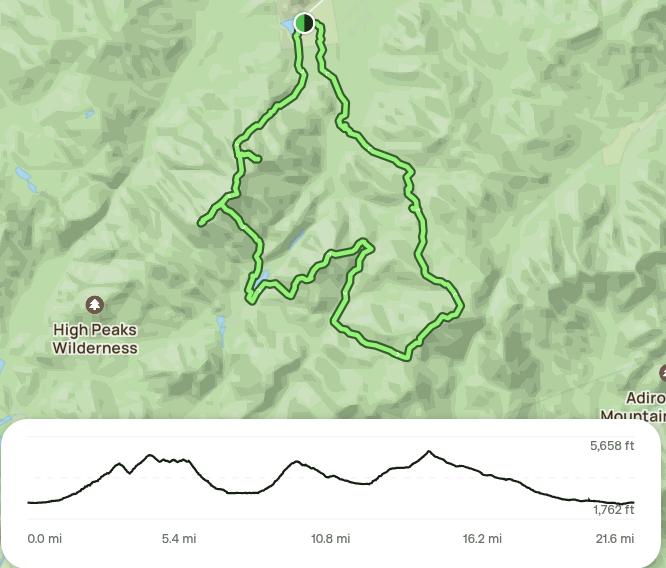
Once you settle on a hike, think of contingencies. Sometimes, the trail you are on is the only one around, you don't have other options. There are plenty of places though where once you get into the interior, there are multiple trails. Look at other options in the event you find you're not able to do what you have planned to do. You can also plan something aggressive and have easier goals that you will only go past if you're feeling it. An example of this in the ADK High peaks would be the McIntyre range, Wright, Algonquin, and Iroquois. The aggressive goal is all 3 peaks in 1 hike. But there are other options. On the way up, you first come to a turnoff for Wright. If you're feeling good, you probably will continue on to Algonquin and Iroquois as that's the furthest peak. If you're not feeling good, you'll just do Wright. Next is when you get to the top of Algonquin. Feeling good, go on, feeling ok, turn around and evaluate how you feel when you get to Wright. You then go on to Iroquois. You have an escape route here with a trail down to Lake Colden (one of the steeper trails in the area) and back to Loj via Avalanche pass. These are all contingencies depending on how you feel while on the trail. You need to get these ideas on "paper" and map them out just as you did the original hike. If you don't and you find you missed the herd path to Iroquois (easy to do) and are now half way down to Lake Colden, you'll be thankful that you did that, especially since you won't have cell signal there. You should then tell a responsible human what your plans are, and include maps, or links to maps, so if they have to contact the rangers, they can tell them where you were planning to go.
Then we have to think about timing. First off, when is sunrise and sunset. Sunset in summer may be after 830, but that's on the peaks. In the valleys it gets dark sooner. Estimate how long it will take you to hike. If you're going solo, you know your pace and you can generally judge it well. If you're going with a tight knit group that hikes together all the time, you probably can judge it well too. Otherwise, be prepared for a super slow and a super fast person in your group. You shouldn't be hiking faster than the slowest person. This may mean you don't reach your destination. This may mean you drop a peak from your hike. This may mean you're hiking out with headlamps at 1 in the morning because you pushed too hard for that person, or for the conditions you found. You should still estimate how long it is going to take and a goal time that you'll be out and tell this to your responsible human. That time isn't necessary when they should call the rangers in, you may want to tell them something like "we should be out by 9, but if we're not out by midnight call the rangers". You should also let them know how to contact the rangers. When you get out, you need to let the responsible human know that you're out.
So that's part of the plan ahead and prepare. A second part is training. Get out there and get trained in first aid, map and compass, and Leave No Trace. The local mountain clubs or hiking clubs will often offer training. Get out there and hike with more experienced people and ask them questions, they can often teach you more on the trail than classroom courses, especially if you're planning on hiking in the area. This is something that should be continuous. Even when I go to classes that I find I could have taught, I usually find something new in it that I didn't know or think about. When hiking with other experienced hikers, I hear and share stories that often result in me learning something new. You will want to get the basics (first aid, map/compass, LNT) before you start leading hikes or going out solo. Some resources at the end.
The final part of plan ahead and prepare is your equipment. At minimum you need the 10 essentials:
-
NAVIGATION
- Map
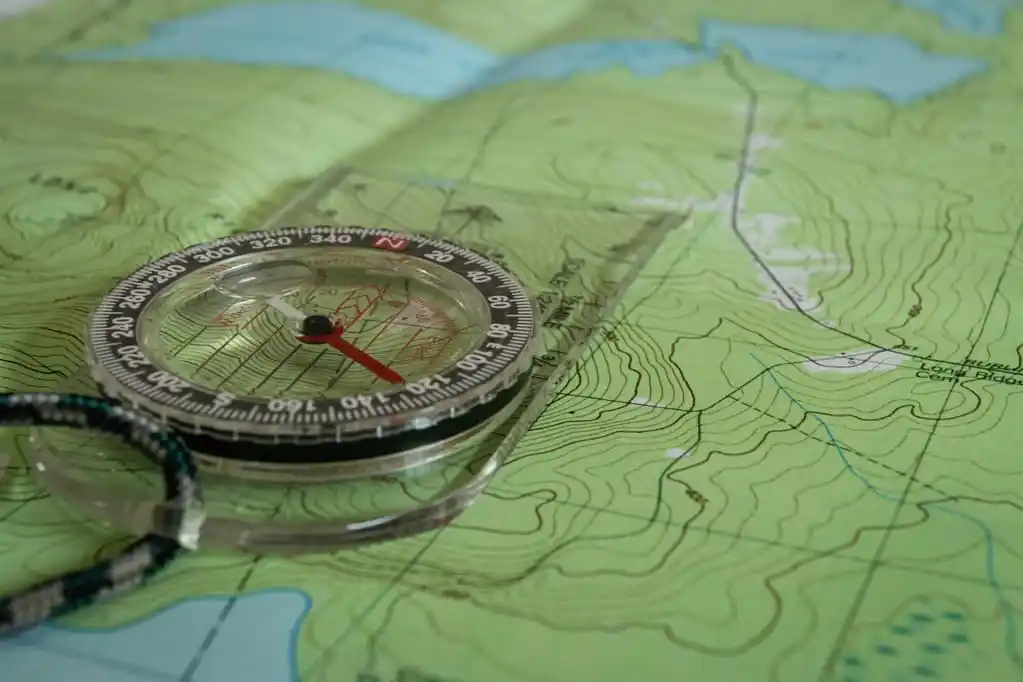
- Compass
- GPS system
- Extra batteries
-
INSULATION/RAIN GEAR
-
LIGHT
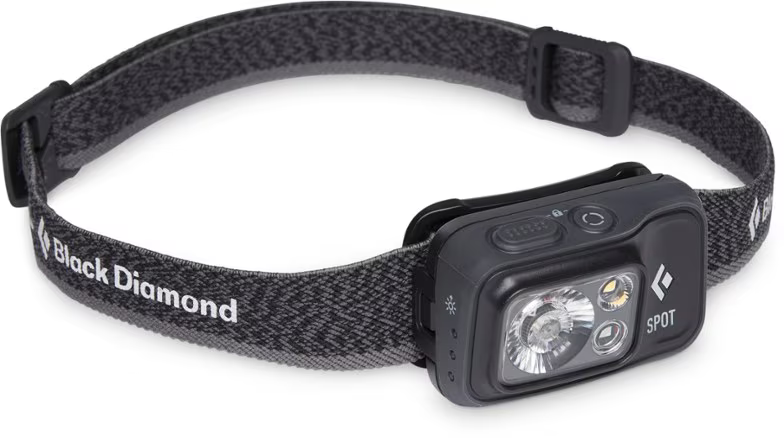
- Headlamp
- Flashlight
- Lanterns
- Extra batteries
-
FIRST AID SUPPLIES
- Use a pre-made kit or build your own
-
EMERGENCY KIT
- Whistle
- Signal mirror
- Duct tape
- Pocket knife/multi-tool, etc.
- Bright colored cloth
-
FIRE
- Matches in waterproof container
- Lighter
- Fire starters
-
NUTRITION
- Choose high protein and high calorie items
- Pack extra food
- In the winter break food into small pieces and pack in the center of pack to avoid freezing
-
WATER
- Pack at least 2 liters per person
- Carry more than you think you will need
- Water filtration or purifying system
- In the winter insulate your hydro-tubing or pack water in the center of pack to avoid freezing
-
SUN and INSECT PROTECTION
- Sunglasses
- Sunscreen
- Hat
- Bug Repellent
- Bug Net
-
EMERGENCY SHELTER
- Tent
- Space Blanket
- Tarp
(source: https://dec.ny.gov/things-to-do/hiking/hike-smart-ny )
Note that this list is the bare minimum. You may be laughing at the sun and insect protection for winter hiking. Yeah, a big plus of winter hiking is no bugs, no need for the bug nets and bug spray. Sunburn and snow blindness are real things in the winter though. The gear has to be customized for the weather that you're expecting on the day of the hike, but also for the day or two after. Be prepared to spend the night if something goes wrong. In the ADK High peaks, the rangers say to expect them to take 2 hours per mile from a trailhead for them to reach you, and it will be just as long if not longer to get you out. The 10 essentials can be only a couple pounds in weight, and some people say they can fit everything in a Nalgene bottle. It's not burdensome, especially if something goes wrong. It could very well save your or someone else's life. They are also something that everyone should be carrying because you never know if you're going to get separated from the group, or have to split up.
Just paying heed to what I have written above will prevent the vast majority of the calls to rangers, which is why I wrote so much. This all goes for solo hiking and group hiking. It is really the foundation for safe hiking in general, so please, take heed and follow the advice myself, LNT, every mountain and hiking club, and every ranger organization in the country are saying.
With that in mind, how does solo hiking differ from group hiking, and how can you do it safely?

The biggest issue with solo hiking vs group hiking is what happens when you get injured. With a group, you have people there that can take care of you and go get help. In a group you also have people that will help you get through tricky areas where you could injure yourself, so prevent injuries. This is really helpful when you're doing rock scrambles or in the winter when you hit steep icy patches. In the more remote areas in the winter, when hiking in avalanche prone areas, there are people there to search if an avalanche is triggered. So, from a safety standpoint group hiking is safer.
Solo hikers can minimize their risks though. The first is that plan and prepare stuff. Get trained, get familiar with the area including by hiking with others for a few hikes if possible, do all the prep work and know what your options are before going in so you can make logical changes when you encounter something risky. When something happens though, calling for help will become an issue.
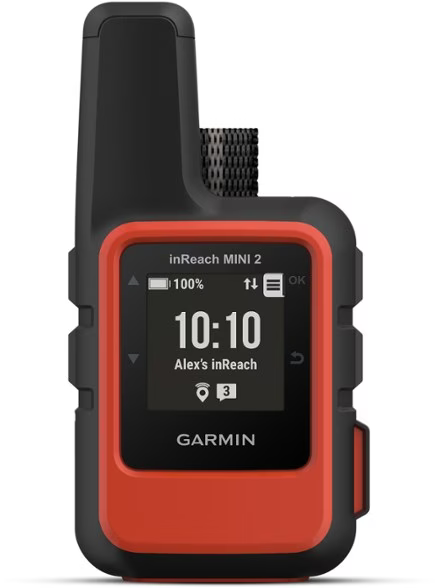
A satellite device like a Garmin InReach will be helpful. These devices have a "SOS" button that you can press that will summon help to the location of the device. This is not foolproof. First, you need to be conscious. Any major head trauma and you probably will not be able to use the device. Terrain can also cause issues. I have heard some people have lost satellite connection in some deep valleys, but overall they do work well. These devices are also useful for your responsible human as they can watch your hike (InReach updates your position on their web map every 10 minutes by default when tracking). If you're running late, the human can see if you've been stuck at one spot for hours, or if you're moving towards the exit and make a call to the rangers if not moving. This is technology though, and it can fail at the worst possible time. My experience is that they are more cold tolerant than my phone, but I am not sure how good it truly is in sub zero degrees F temps for extended periods. Ultimately, if the worst happens when solo hiking with a device like this, they will know where you have been and will be able to find your body and provide closure to your friends and family. I know, morbid thought, but that is the reality of it.
With the popularity of hiking these days though, even when you're solo hiking, there are usually others on the same trail unless you're out in bad weather or a very remote area. So, sticking to the trails and established herd paths will also mean that you will likely run into others doing the same hike you're doing. This means that it will be likely that if something happens to you, another hiker will find you and hopefully will be able to get you help. This is not a guarantee, but it is very likely these days. Sadly, being able to go into the woods and not see anyone all day is a very unusual thing.
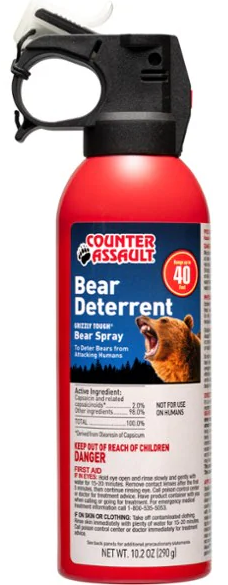
Solo hiking as a woman adds other issues, namely men, to worry about. The vast majority of men won't be an issue, but there is always that one that will take advantage of a vulnerable person, so it is not something that should be ignored. I have seen people suggest that it's not safe for women to hike solo, and honestly, that's total bs. I've also seen people say they should carry guns, which is potentially illegal depending on the state you're in or cost prohibitive between the weapon, training, and licensing. Plus your adding many pounds of weight to your body and/or pack. Bear spray is another option to carry as it will work just as well on humans as it's just a big mace can with extra strength mace. The biggest issue with bear spray though is people end up spraying themselves, so get the trainer cans and practice using it. A self defense class is most likely the most effective way to help yourself if something happens both on the streets at home and deep in the woods. Something a friend of mine reminded me of that is important but easily forgotten is that you need to have your energy and strength in order to defend yourself. So, you need to pay attention and hydrate and eat regularly while hiking so you have the energy in the event that you get into the bear vs. man situation. One last piece of advice I have heard which makes a lot of sense is to never let them know you're solo. If they think you're with a group they hopefully will leave you alone. In the end, it's important that you follow your gut instincts. If it doesn't feel right or safe, don't do it.

Hiking to a schedule is also something that is a very bad idea. Many of us have done it, including myself, but it's not worth it. Hiking to a schedule will put you in dangerous situations because you're hiking a hike you shouldn't be hiking that day. Weather is a major part of this. Doing a hike you `need` for this challenge on `this` day because you only have this day to do the hike is just dangerous. This may have you on a mountain top in a lightning storm, or crossing a major river via rocks that won't be visible hours later because the rain has swollen the river. This will have you climbing an icy rock scramble in the dark and getting yourself in trouble. Hiking to a schedule makes you do stupid things that in retrospect you realize you should not have done. This happens all the time, and solo hikers are probably more susceptible to is as they don't have other hikers in the group saying that it's not a good idea, that is if the egos of the others doesn't get in their way.
The final thing to think about when solo hiking vs group hiking, is your personal ego. We all have an ego and we all know what our personal abilities are. Many of us who solo hike do it to push our own limits. Many of us, especially younger men, feel they are invincible and that they can do anything they want. The reality is we all have limits, and the limits will change day by day, if not hour by hour. That 20 mile hike you did last week may not be possible this week. We all have good and bad days. We have to learn to listen to our bodies. None of us want to drive 3 hours to a trailhead just to turn around a mile or two in, but sometimes that is what we need to do. You have to listen to your body and when it says no, turn around. It's a very difficult lesson to learn, but it's one of the most important ones to learn. You also have to obey your turn around time. This can mean turning around mere hundreds of feet from the peak, which really sucks, but it also means you'll get out at a more reasonable hour and prevent issues related to exhaustion. When hiking in a group, you can rely on the others in the group to pep you up and keep you going. Solo, you're on your own, along with your thoughts, and can easily get yourself in trouble if you're not feeling well enough for the hike.
Why go solo hiking then, if it increases your risk just a little if you're prepared and trained? As we get older, we're supposed to be about minimizing risk to our lives, right? Well, solo hiking can be very rewarding, and more pleasant than group hiking. When solo hiking, you're the only one making the noise. This means you will have a better chance to see more wildlife since you won't be scaring them off. For many of us, especially the introverted hikers like myself, alone time and nature recharge us. Probably the biggest reason though is all about timing. As a solo hiker you can go when it is best for you. You can hike at your pace, not try to keep up to the significantly faster hikers pace, or slow down to the slowest hikers pace. Both speeding up and slowing down can make for a less enjoyable hike. You can also hike where you want to hike. All of these reasons are why I do as much solo hiking as I do.
In conclusion, since this post has gotten way longer than I originally planned, the answer to the original question of "is solo hiking safe", is that it can be almost as safe as group hiking. One just needs to plan ahead and prepare, get trained, and get comfortable with the area that you're going to hike in.
Resources:
Leave No Trace offers online courses at: https://learn.lnt.org/ and their basic awareness online course is https://learn.lnt.org/courses/101 You can also find in person training sessions listed at https://lnt.org/get-involved/training-courses/
Map and Compass: If you don't have a local hiking or mountain club that offers the course, you can often find them at your local outdoor retailer. LLBean and REI both have in store courses periodically. Backpaker Magazine at https://www.backpacker.com/skills/navigation/how-to-use-a-compass/ has recommended OutsideOnline for training https://learn.outsideonline.com/backcountry-navigation but I cannot vouch for the quality of the course or if this is essentially an ad for for them in Backpacker. Historically though, Backpacker has been a reliable source.
First aid: The basics can be found at your local American Red Cross at https://www.redcross.org/take-a-class You will want at least adult CPR (although child and infant CPR are invaluable things to know) and their First Aid class. The combined Adult First Aid/CPR/AED-BL-r.21 ($107) or Adult and Pediatric First Aid/CPR/AED-BL-r.21 ($129) are probably your best choices. (Prices for the in person class in Albany, NY at the time this blog post is being made). There are more advanced and tailored courses available out there for Wilderness First Aid and Wilderness First Responder. The 2 major organizations that do this training are NOLS and SOLO. You can find their course listings at https://www.nols.edu/en/coursefinder/session_search/wilderness-medicine/ and https://www.soloschools.com/schedule I have held Wilderness EMT through SOLO and highly recommend them for training if you can do it.
Add new comment